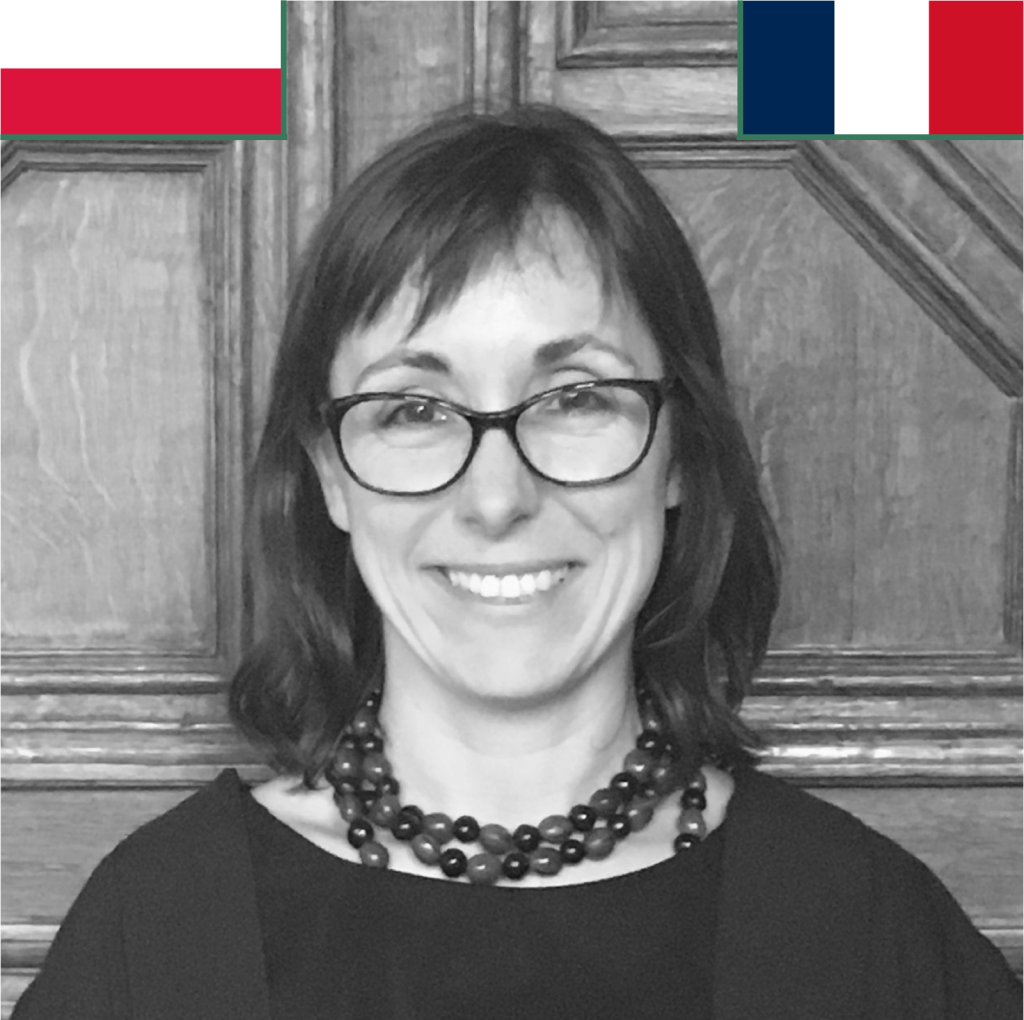
Professor Ewa Paluch, Group Leader
Ewa’s laboratory investigates the principles underlying cellular morphogenesis. Since cell shape is ultimately defined by cellular mechanical properties and by the cell’s physical interactions with its environment, biophysical approaches are essential to understand cell shape control. The lab combines cell biology, biophysics and quantitative imaging, and works in close collaboration with theoretical physicists, to investigate cell shape regulation. We particularly focus on the cellular actin cortex, a thin cytoskeletal network that underlies the plasma membrane and drives most shape changes in animal cells. Ewa’s lab has made seminal contributions to our understanding of the cell cortex, and of its function during cytokinesis, protrusion formation and cell migration.
ekp25[at]cam dot ac dot uk
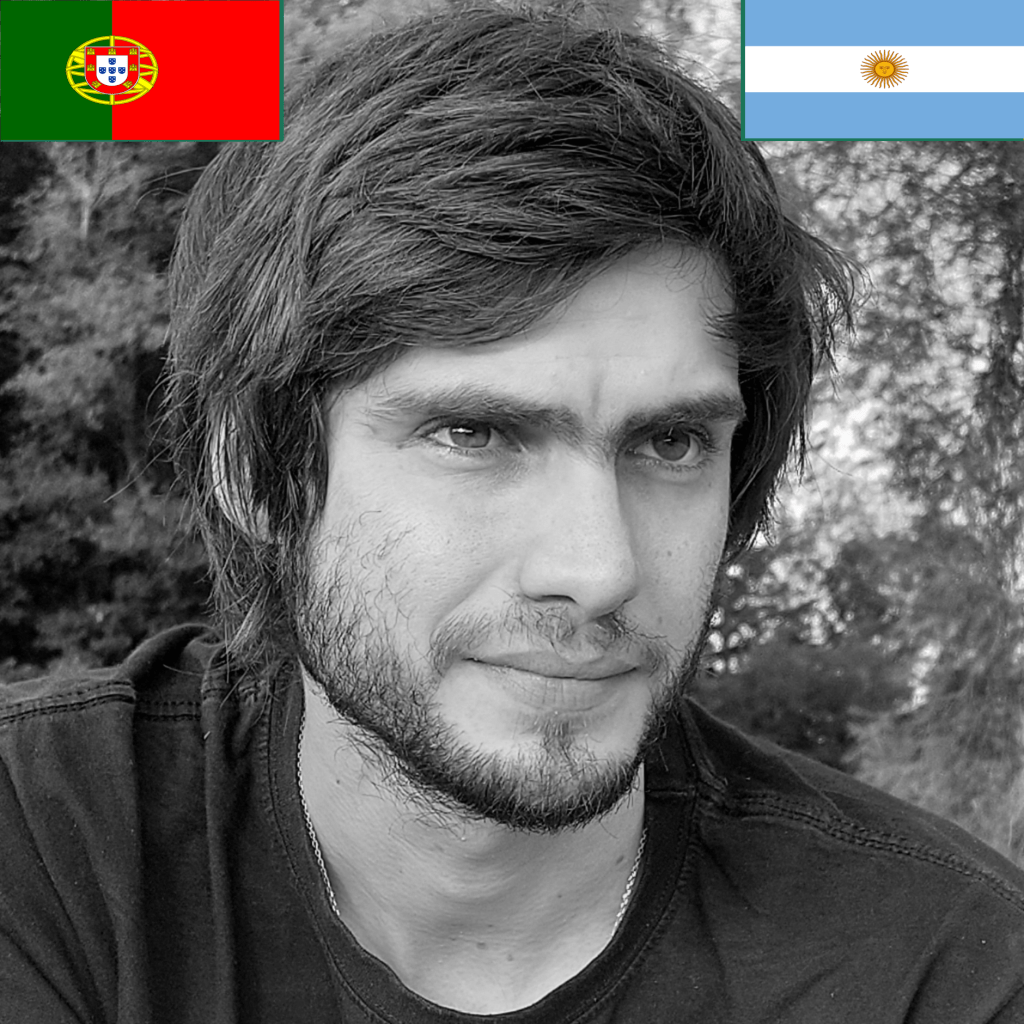
Augusto Borges, Postdoctoral Research Associate
Augusto is a biological physicist with a keen interest in mechanobiology and soft matter physics. His research focuses on using mathematical and computational modeling to understand complex biological phenomena. A key part of his work is the development of new computational tools, such as a software to infer mechanical stresses in living tissues (ForSys). By developing and applying these methods to different experimental systems in vivo and in vitro, his work aims to shed light on how physical forces contribute to tissue dynamics, morphogenesis and regeneration.
Google Scholar
ab3330[at]cam dot ac dot uk
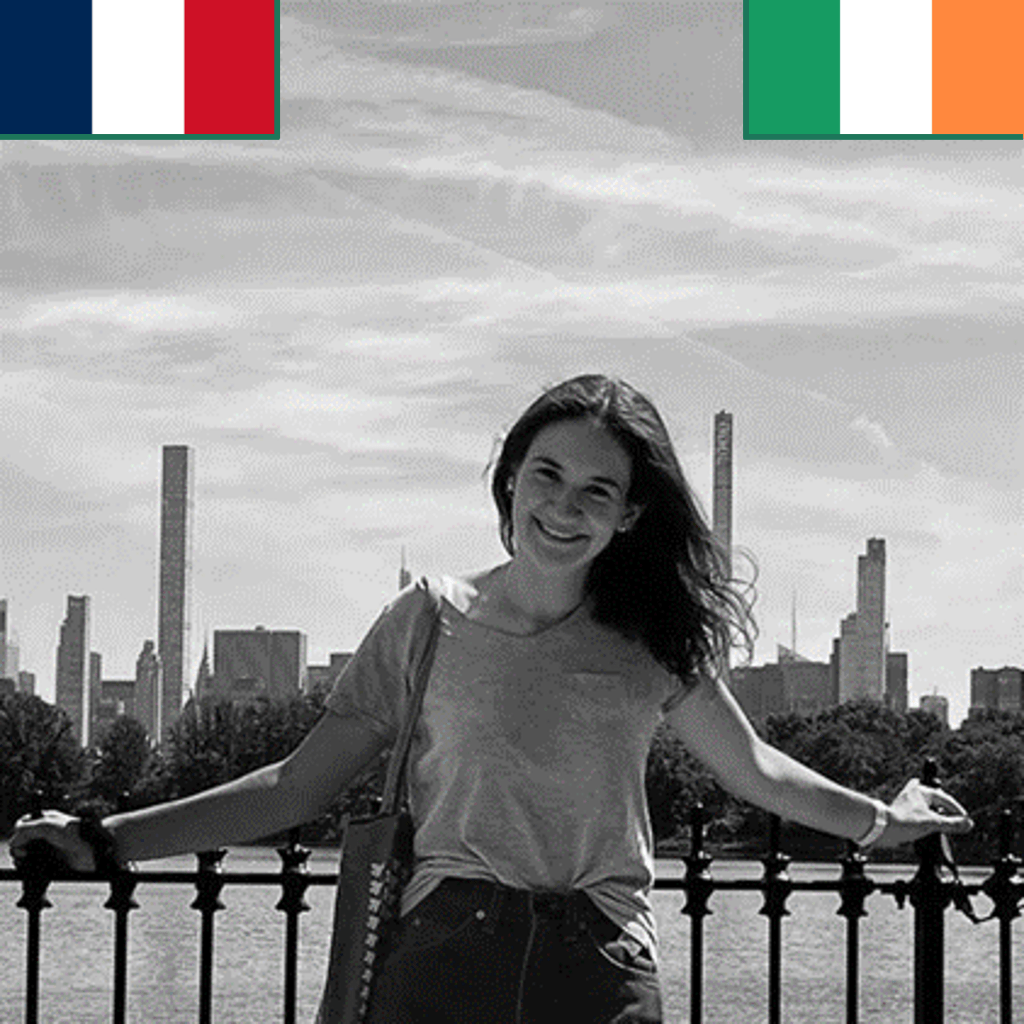
Jeanne Lefévère-Laoide, Oliver Gatty PhD student
Jeanne has a background in cell biology, with a strong interest in the interface between cell dynamics and mechanobiology. Her project investigates the mechanical and molecular mechanisms of post-mitotic spreading, and explores its role in cancer. At the onset of mitosis, most cells display mitotic rounding, driven by reduced adhesions to the substrate and an increase in cell surface tension and stiffness. After cytokinesis, the two daughter cells typically spread out. In contrast to mitotic cell rounding, post-mitotic spreading is poorly understood. Using live-cell microscopy, Jeanne aims to quantitatively characterise the dynamic changes in cell shape and mechanical properties occurring during post-mitotic spreading, as well as describe actin regulators at play, in both healthy and cancer cells
jl2276[at]cam dot ac dot uk
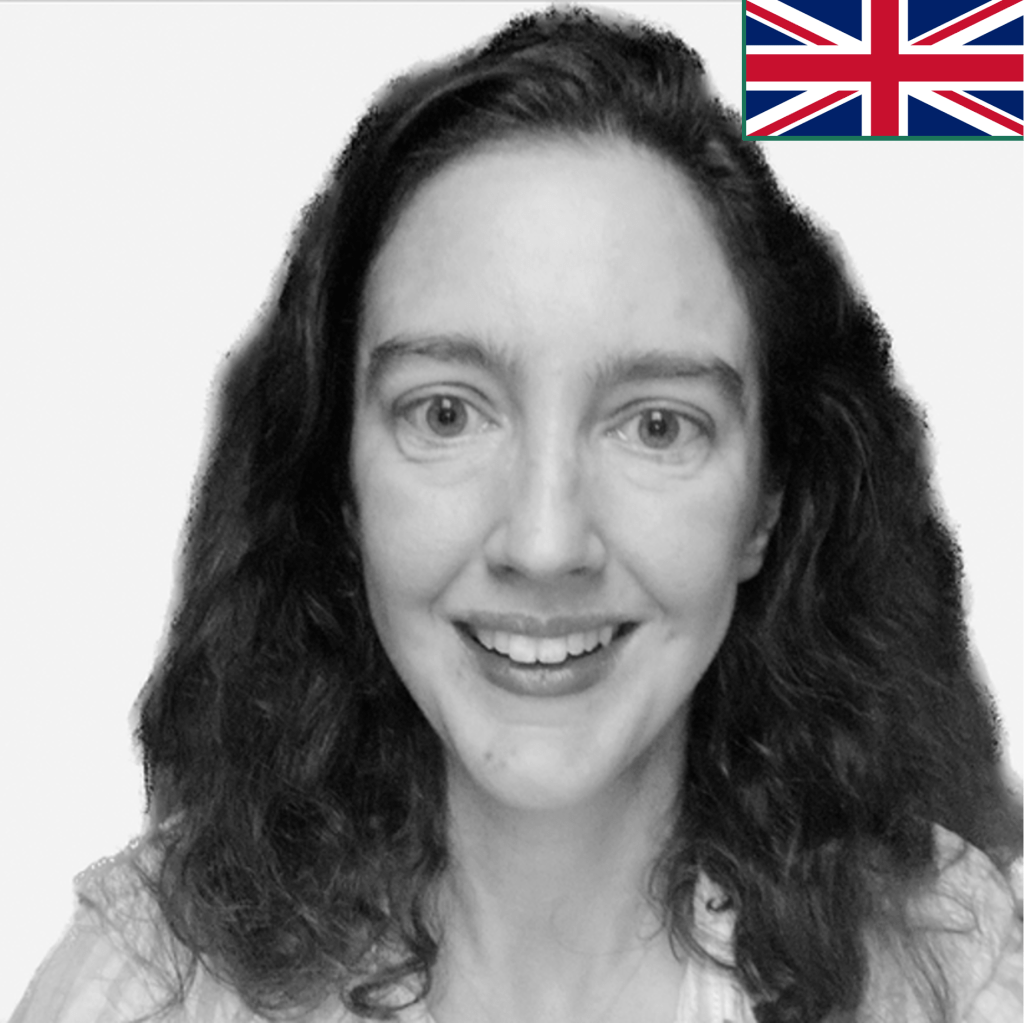
Fiona Morgan, Laboratory Manager
Fiona supports lab members in bench work, lab infrastructure and grant administration. Fiona joined the Paluch Lab in May 2019 upon the move to Cambridge, having previously worked as lab manager and Biological Safety Officer in the Physics of Medicine Building, Department of Physics, and as a research assistant in the VISIONLab, working on oxidative stress in drug resistance. Fiona has previous research experience at the Veterinary Medicine Department, working on novel methicillin resistance genes in MRSA and infection dynamics of typhoid fever, and at the Medicine Department on Natural Killer cell immune evasion by Human Cytomegalovirus. Fiona holds a BA in Natural Sciences (Cambridge University) and a post graduate diploma in Virology (Liverpool John Moores University).
Google Scholar
fjem2[at]cam dot ac dot uk
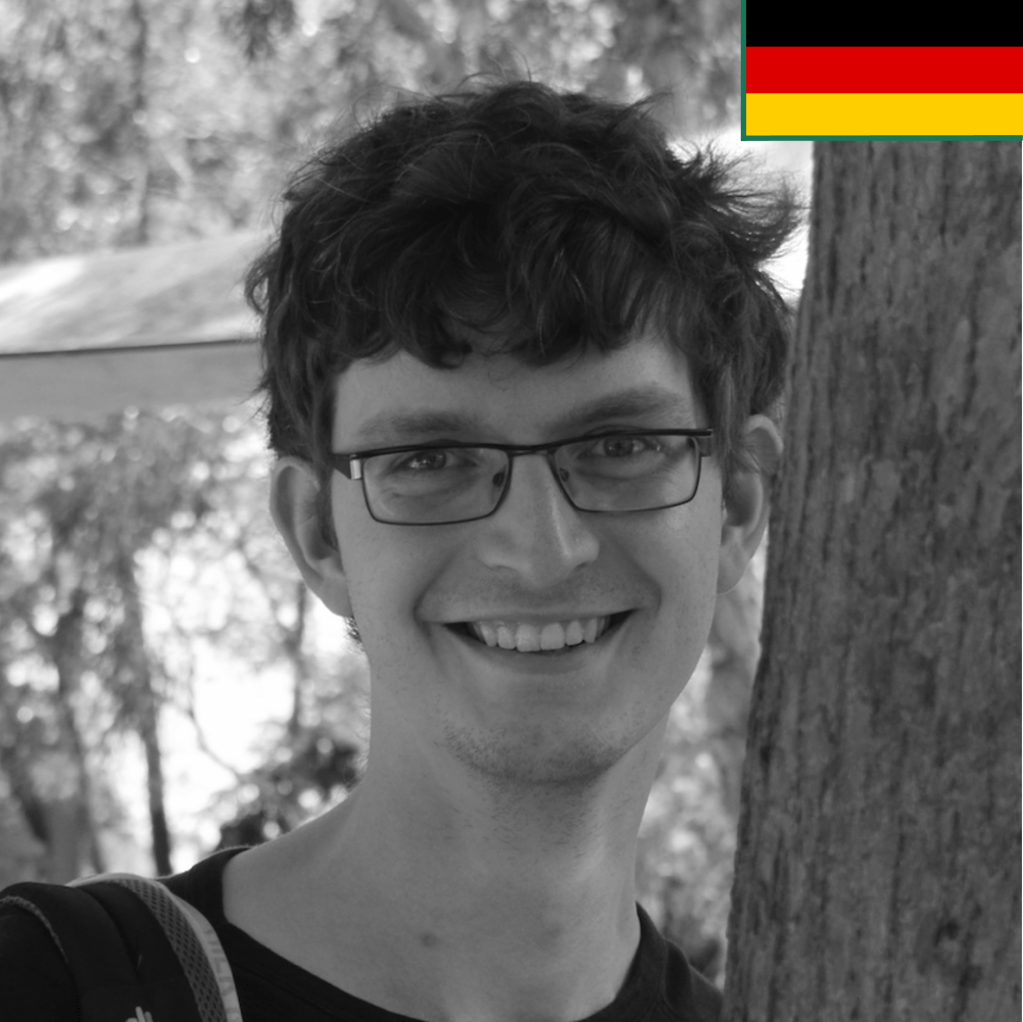
Wolfram Pönisch, Herchel Smith Postdoctoral Fellow Wolfram is a theoretical biological physicist currently working on the how cell shape changes changes during cell state transitions. To this aim, Wolfram uses data analysis tools to investigate high-dimensional data sets of cell shape and state and models the shape change during state transitions as stochastic processes. Overall, Wolfram is curious about understanding biological phenomena with the help of numerical and theoretical tools and in very close collaboration with experimentalists. By both developing and utilising computational approaches, Wolfram aims to learn about what life is, how living matter behaves on different scales and how we can alter its behaviour.
www.wolframponisch.com
wp269[at]cam dot ac dot uk

Ana Raffaelli , PhD Student
For a stem cell to make a fate decision and differentiate, it needs to receive a signal. Historically, the role of biochemical signalling in this process was mostly studied. However, it is now known that mechanical properties of the extracellular environment also play a part in this process. In Ana’s PhD project, she is aiming to investigate the mechanism that underlies the effect that mechanical signalling has on biochemical signalling interpretation ultimately determining the cell fate. In particular, Ana uses human pluripotent stem cells and their response to BMP signalling in different mechanical environments to investigate the role of receptors of the cellular microenvironment, signalling platforms and cell surface mechanics in this mechanism.
ar2067[at]cam dot ac dot uk
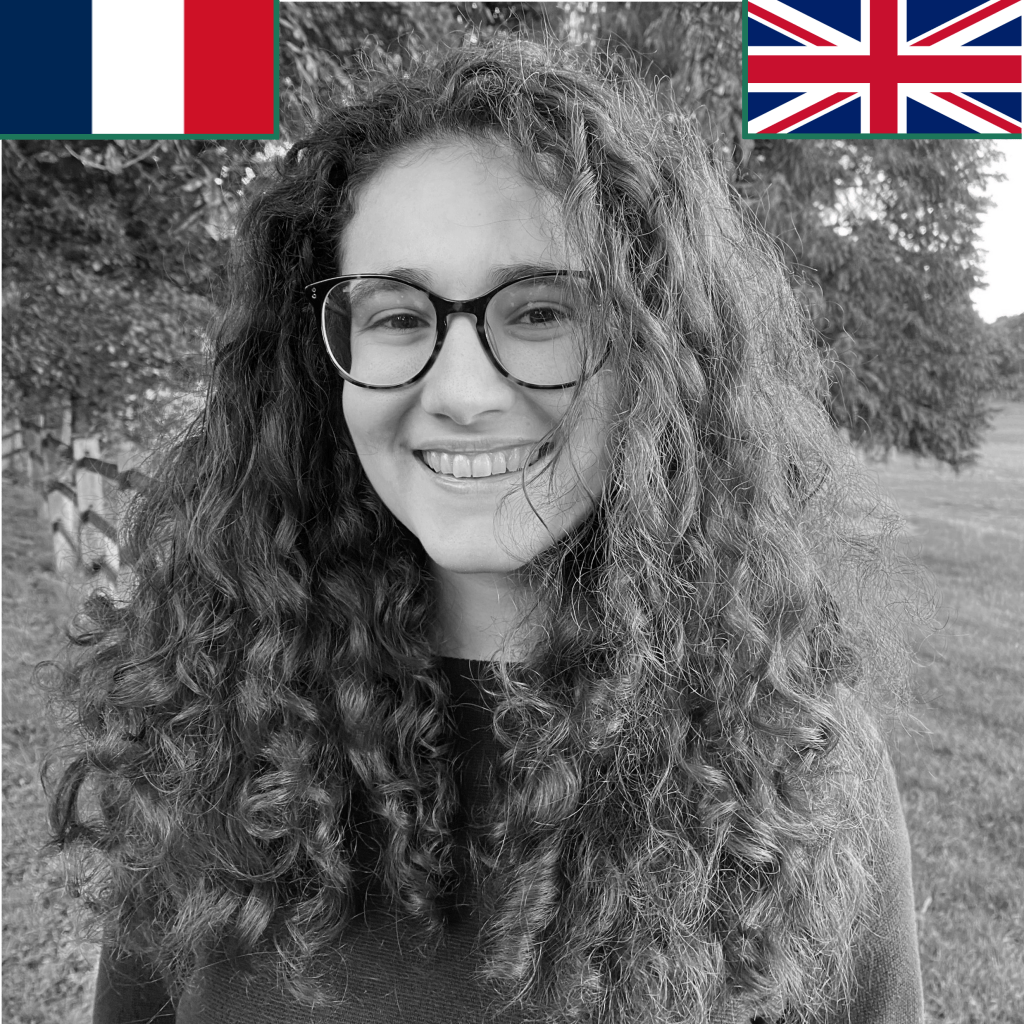
Tasmin Sarkany, PhD Student
Tasmin is interested in the interface between theoretical physics and biology. Her project investigates the link between cell shape and cell fate during cell state transitions. Cell state transitions occur during embryonic development and tissue regeneration and are associated with diseases such as cancer. They are often associated with a change in cell shape, however it is unclear how shape and fate affect each other or what role cell surface mechanics plays in these shape changes. By modelling cell shape change as a stochastic process and the cell cortex as an active surface, she aims to gain a deeper understanding of the mechanisms underlying cell state transitions.
ts854[at]cam dot ac dot uk

Belle Sow, PhD Student
Skin wound healing is an extensively studied process, which is critical for ensuring the integrity and structure of tissues. While the process is known to be mechanosensitive, how tissue mechanics affect specific components of wound healing remains poorly understood. There has been a keen interest to understand why wound healing ability varies greatly across the lifespan, with young individuals having more regenerative potential and the ability to recover better compared to adults and aged individuals. In Belles PhD, she plans to explore how changes in tissue mechanics as a function of age could explain the changes in wound healing ability. Understanding on a cellular level how cells respond to such mechanical changes in the skin will shed light on why there are functional differences in wound healing with respect to age.
bms54[at]cam dot ac dot uk

Iona Thelwall, Postdoctoral Research Associate
Iona is a postdoctoral researcher interested in the interplay between stem cell biology, physics, and engineering.
As part of the Paluch Lab, Iona’s current work focuses on understanding how ECM-induced cell shape dynamics and mechanical fluctuations influence cell state transitions, particularly during epithelial-to-mesenchymal transition (EMT) and its reversal, mesenchymal-to-epithelial transition (MET). She combines quantitative imaging, advanced cell culture systems, and biophysical approaches to investigate how cell morphology and mechanics are regulated, and how these properties feedback to control cellular identity and plasticity. By integrating principles from cell biology and biophysics, Iona aims to develop physiologically relevant in vitro systems that more accurately model organ morphogenesis and cell fate decisions in 3D microenvironments.
igt20[at]cam dot ac dot uk
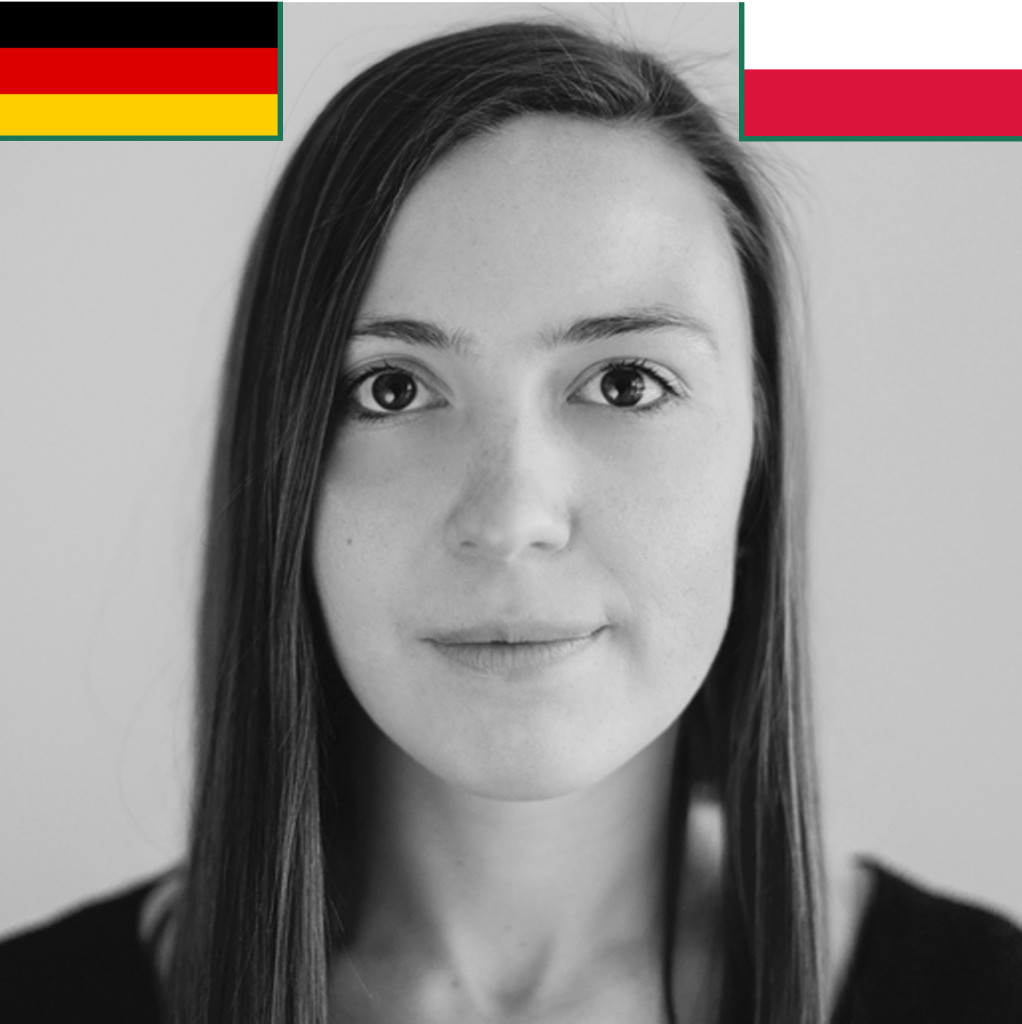
Marta Urbanska, Postdoctoral Research Associate
Marta is a biophysicist with a deep interest in the role of mechanobiology in development and disease. In her postdoc project, she is investigating how cell fate is influenced by cell surface mechanics in gastruloids — a multicellular model system mimicking a gastrulating embryo. To achieve this, she combines advanced microscopy techniques, cell shape analysis and biophysical characterisation approaches. She is also keen to find out how perturbing cell mechanics during gastruloid growth impacts cell fates and spatial patterning. With this work, she hopes to contribute to answering the long-standing question in developmental biology of how physical determinants coalesce with biochemical signalling to drive embryogenesis.
mu272[at]cam dot ac dot uk

Liz Williams, Lab Manager
Liz supports both the Paluch and Franze labs within the department as lab manager. Liz generates and provides expert technical advice for hydrogel production, one of the core resources used across both groups. In addition to her lab role, Liz is heavily involved with the wider aspects of laboratory management including pastoral care and sustainability. Liz has previous research experience in the industrial sector through Cambridge Antibody Technology and within the education sector.
s
lkw32[at]cam dot ac dot uk
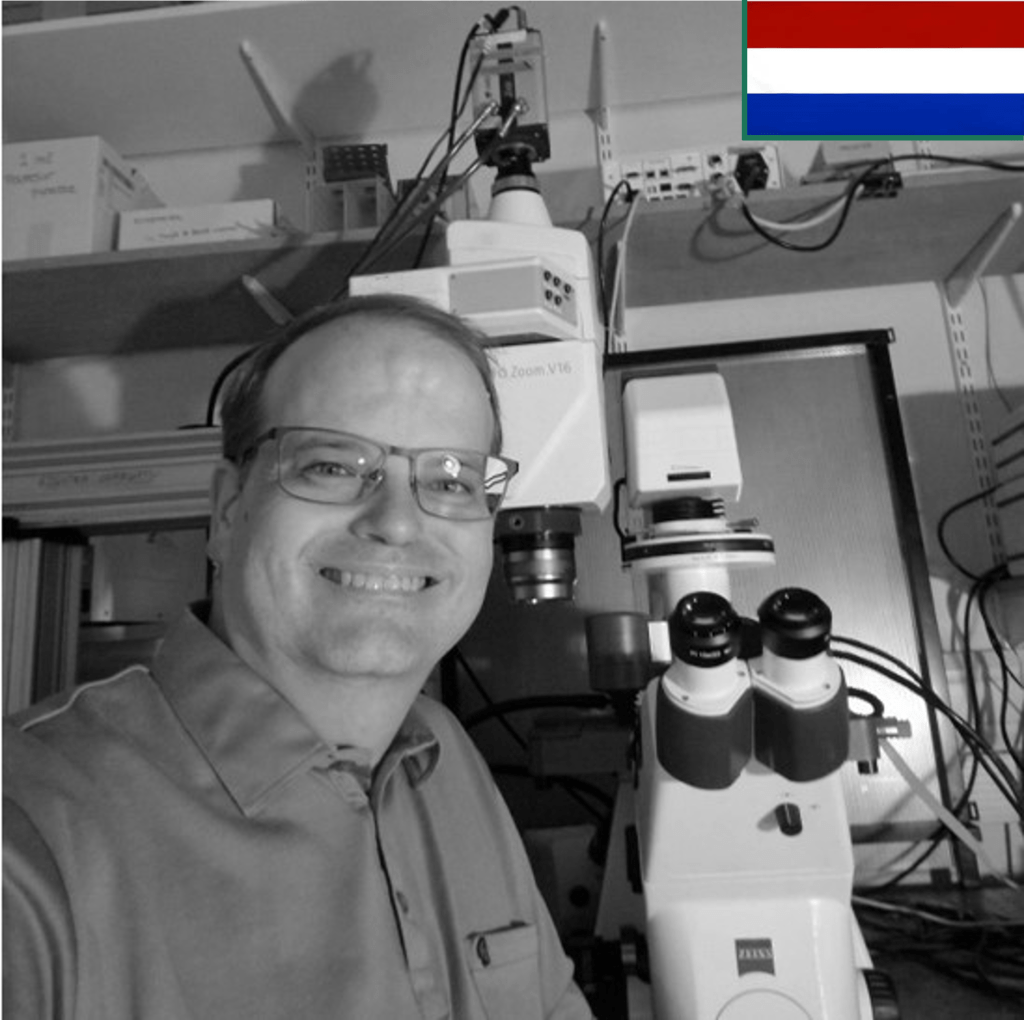
Alex Winkel, Postdoctoral Research Associate
Alex completed his PhD in Atomic Force Microscopy of polymers at the University of Bristol in 2001 and then spent 17 years working for AFM manufacturers, latterly as Senior Application Scientist for JPK Instruments.
He came to PDN in 2018, where he has been involved in numerous projects based around applying AFM to tissue and cell mechanics and co-authoring several papers in that time. His work is currently supported by the BBSRC.
He’s always happy to discuss collaborations around AFM, which is his specialty
s
akw48[at]cam dot ac dot uk

Iskra Yanakieva, Postdoctoral Research Associate
Iskra’s project investigates how epithelial cells change their shape during epithelial-to-mesenchymal transition (EMT). During EMT, a key process in wound healing, embryonic development, and cancer pathogenesis, epithelial cells gain mesenchymal features, such as spread cell morphology and increased motility. Iskra uses highly interdisciplinary approaches to understand how actin reorganisation and the resulting changes in cell mechanics drive epithelial cell shape changes during this process. The project combines state-of-the-art microscopy, quantitative image analysis, biophysical measurements, and molecular cell biology to advance our understanding of how transitions between different types of actin architectures drive cellular morphogenesis.
Google Scholar
iy232[at]cam dot ac dot uk
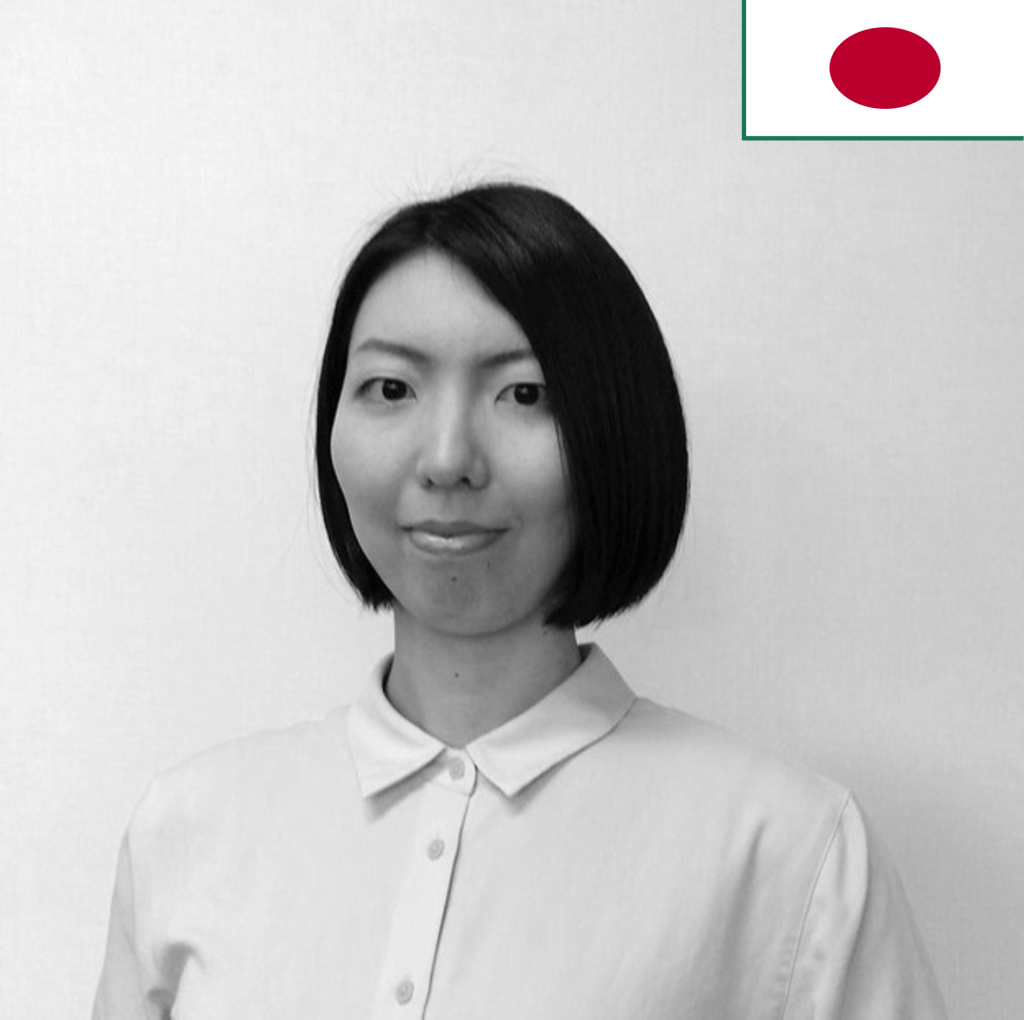
Yuka Yokoyama, Science Tokyo Research Fellow
Yuka has a background in bioengineering and is interested in the mechanisms by which cells migrate during morphogenesis and cancer metastasis. It is known that cells migrate through diverse mechanisms that are tailored to their type and environment. However, the processes by which cells switch their migration mode and regulate their migration direction and speed remain unclear. Yuka’s project focuses on the mechanical interaction of molecules during cell migration in confined spaces. From a biomechanical and biophysical perspective, she investigates the generation and transmission of forces through molecular interactions that affect cell migration.
Google Scholar
yy609[at]cam dot ac dot uk
text to fill space
text to fill space
Close Collaborators
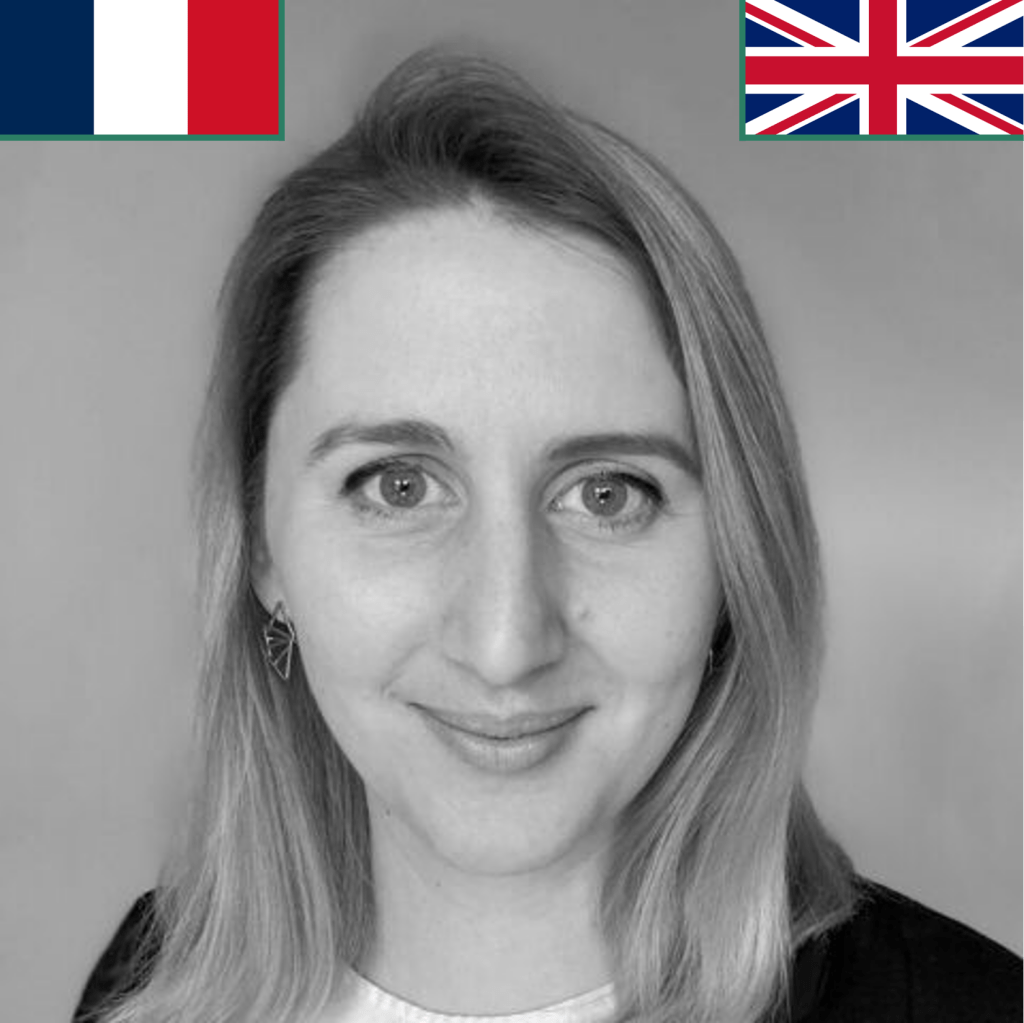
Geraldine Jowett, Postdoctoral Fellow
Geraldine is a Postdoctoral Researcher in the Surani Lab at the University of Cambridge where she investigates the biophysics of germ cell development. Geraldine’s PhD research focused on a new population of white blood cells called innate lymphoid cells and revealed an unexpected role for these cells in intestinal cancer and fibrotic scar tissue formation. As a Schmidt Science Fellow, Geraldine aims to find a way to study more effectively the physical forces that determine egg and sperm development and can inspire bioengineered gonad designs. Geraldine’s planned research could revolutionize fertility options by understanding the biophysics of sperm and egg development. Geraldine works closely with the Paluch lab to develop new biophysical methods of understanding the forces involved in germ cell development.
Google Scholar
gj305[at]cam dot ac dot uk
Chengxi (Todd) Zhu, Postdoctoral Researcher
Chengxi (Todd) is a postdoctoral researcher in the O’Holleran lab at the Cambridge Advanced Imaging Centre (CAIC), University of Cambridge. Todd is leading the development of CAIC’s Advanced Photomanipulation Microscope funded by a Wellcome Trust Technology Development award. His research focuses on spatial light modulator control of laser light for biological applications including optogenetics and photo-ablation experiments. Todd works closely with Paluch lab members to investigate novel ways to image and measure piconewton scale forces with high precision in the actin cell cortex.
cz374[at]cam dot ac dot uk
text to fill space
text to fill space
text
Paluch Lab Alumni
text to fill space
Former PhD Students
- Margherita Battistara (Currently a Postdoctoral Researcher in the Clark Lab, Genetics Department, University of Cambridge)
- Martin Bergert (Currently a Laboratory Officer in Charge at the Diz-Muñoz Lab, EMBL Heidelberg)
- Henry de Belly (Currently a Postdoctoral Scholar at University of California San Francisco)
- Maté Biro (Currently an Associate Prof. at University of New South Wales/EMBL Australia)
- Davide Cassani
- Priyamvada Chugh (Currently a Writer at The Better India)
- Andrew Clark (Currently a Junior Research Group Leader at University of Stuttgart)
- William Foster (Currently a final year medical student)
- Alba Diz-Muñoz (Co-supervised with CP Heisenberg, Currently a Group Leader at EMBL Heidelberg)
- Jean-Léon Maître (Co-supervised with CP Heisenberg, Currently a Group Leader at Institut Curie)
- Jakub Sedzinski (Currently an Associate Prof. at DanStem, University of Copenhagen)
- Neža Vadnjal (Currently a Postdoctoral Researcher at Kemijski inštitut)
Former Postdoctoral Researchers
- Irene Aspalter (Currently a Senior Laboratory Research Scientist at The Francis Crick Institute)
- Dani Bodor
- Agathe Chaigne (Currently an Assistant Prof. at Utrecht University)
- Ruby Peters (Currently Physics of Life Early Career Fellow at Sheffield University)
- Murielle Serres (Currently a Postdoctoral Researcher at Institut Pasteur)
- Matthew Smith (Currently a Postdoctoral Researcher at The Francis Crick Institute)
- Aki Stubb (Currently a Postdoctoral Reseacher at the Wickstrom Lab, University of Helsinki)
- Jean Yves Tinevez (Currently a Research Engineer at Institut Curie)
- Binh An Truong Quang
- Ortrud Wartlick
 Paluch Lab